












Lease vs. Buy: A Practical Framework for Equipment Decisions
Cash purchase, loan, or lease? The right answer depends on how long you'll keep the equipment, how fast it ages, and what your capital needs to do elsewhere. Here's the framework we walk clients through.
Category
Equipment Financing 101
Published
August 14, 2026
Written by
AFG Team
"Should we lease this or buy it?" is one of the most common questions we hear, and one of the most consequential. The honest answer is that neither option is universally better. The right structure depends on the equipment, your balance sheet, and what you need your capital to do next.
Start with the equipment's working life
The single most useful question: how long will this equipment produce value for you?
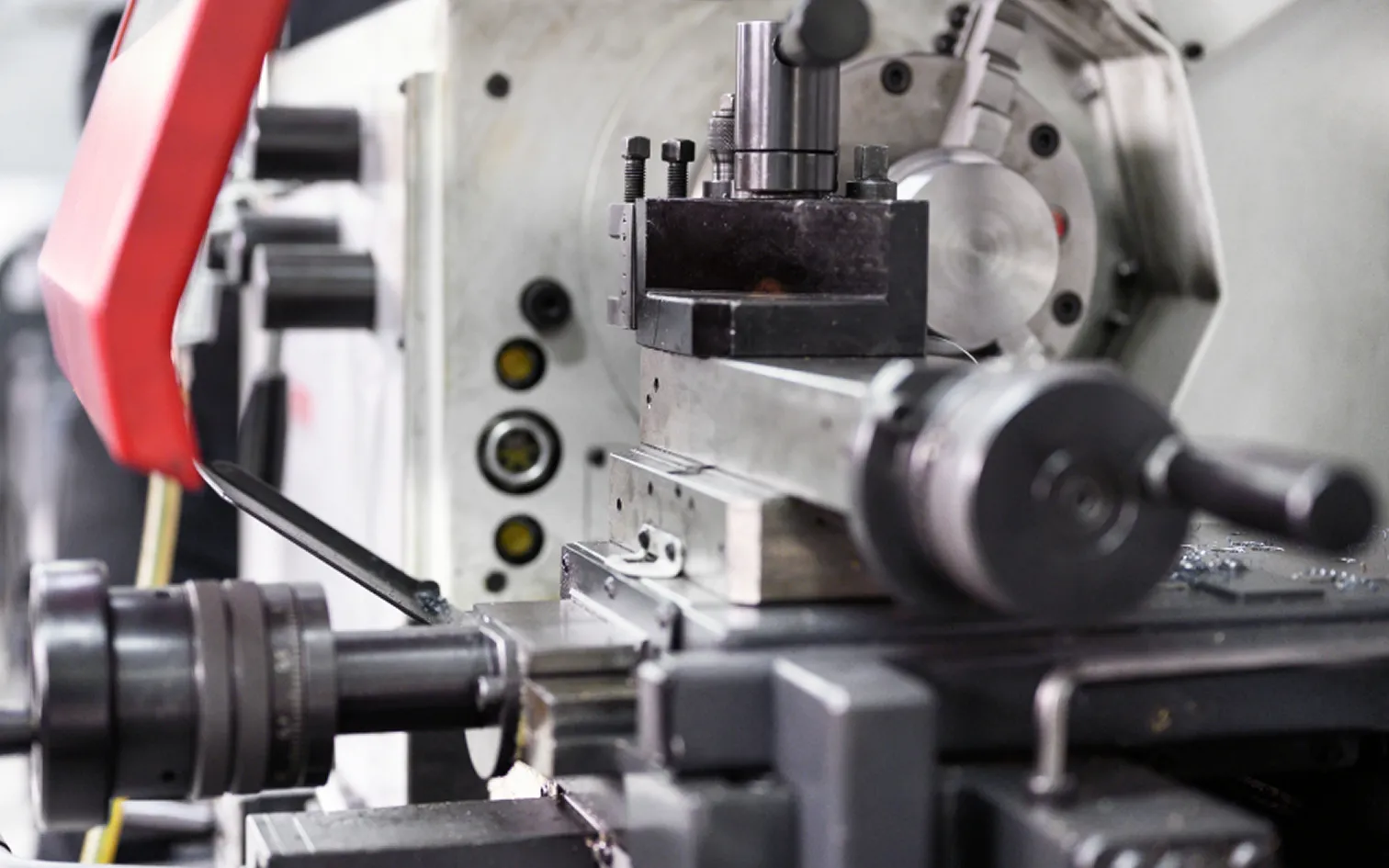
- Long-life assets such as machine tools, trailers and production lines that run for 10 to 15 years tend to favor ownership. You pay for the asset once and keep the productive years.
- Fast-aging assets such as technology, diagnostics and anything on a short refresh cycle tend to favor leasing. A lease lets you match the payment stream to the useful life and upgrade without owning obsolete equipment.
Then look at your cash
A cash purchase is the cheapest option on paper and the most expensive in flexibility. Working capital that sits inside a machine cannot cover payroll, buy inventory at a discount, or fund the next job's mobilization. Financing, whether lease or loan, keeps that capital liquid while the equipment pays for itself out of the revenue it generates.
The tax dimension
Ownership structures (cash or financed purchase) can qualify for Section 179 and depreciation; operating leases typically make payments deductible as an operating expense. Which treatment saves more depends on your income, your other deductions, and current-year limits. That is a conversation for your CPA, and one worth having before you sign.
Run the numbers on your deal
We will put the comparison side by side for your actual deal: total cost of ownership, monthly payment, and tax implications. Talk to an equipment finance specialist and get the numbers for your equipment, not a generic example.
What we recommend
Bring the decision to the structure, not the other way around. At AFG we finance both sides, from operating leases and capital leases to term loans and everything between, so our interest is in the structure that fits your business rather than in pushing one product. That is how we have approached it since 1998.
Keep Reading
More from the blog
Tax & Section 179
Section 179 and Equipment Financing: Making Year-End Work for You
Financed equipment can qualify for the Section 179 deduction in the year it goes into service, which means the right year-end purchase can reduce this year's tax bill before you have made your first payment.
Equipment Financing 101
Application-Only Financing: Up to $500,000 Without the Paper Chase
No tax returns, no financial statements, 1 page. Here's how application-only equipment financing works, who qualifies, and when it's the right tool for the job.
Get Started
Ready to put financing to work?
Talk to our sales team about the equipment your business needs next, from application-only approvals to structured transactions.